English| EUR
Suggested for you
More currencies
Choose a language
Île d'Orléans sits in the St. Lawrence River twenty minutes from Québec City, home to farm-gate producers, artisan chocolatiers, cider houses, and historic orchards. This guide covers how guided food experiences work, which stops define the circuit, and what you need to know before crossing the bridge.
Quick answer
An island of Orleans food tour connects visitors with the island's farm-to-table economy through guided tastings at cideries, vineyards, chocolateries, cheese producers, and berry farms. Tours last three to five hours, typically departing from Québec City between 09:00 and 13:00. Entry to the island itself is free; tour operators charge separately for guided access, transport, and curated tastings. Most operators run daily from May through October, with reduced winter schedules.
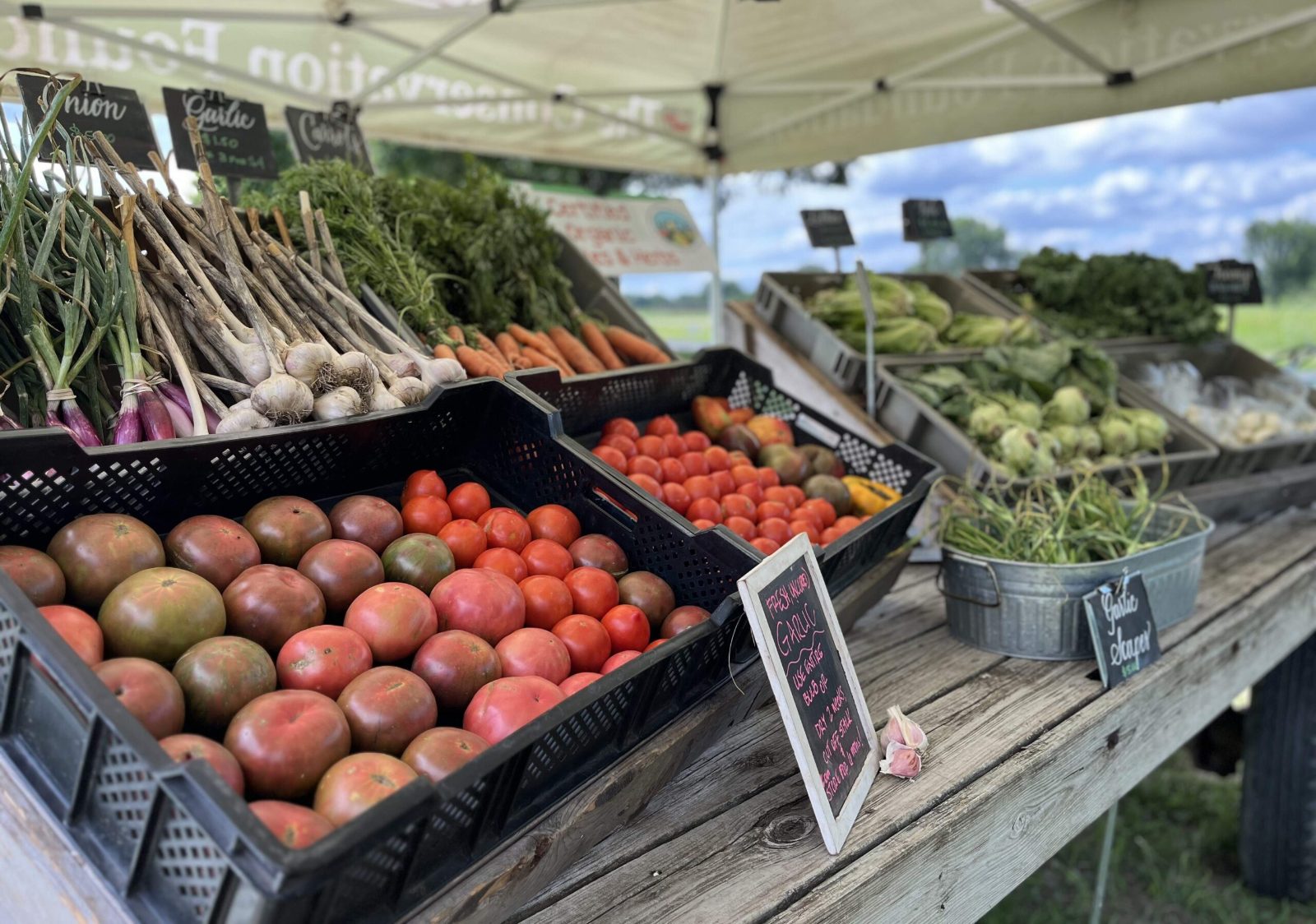
Île d'Orléans has functioned as Québec's breadbasket since the 1600s, and that agricultural continuity now anchors a concentrated culinary circuit. Six parishes ring the island's 67-kilometer perimeter road, each home to family-run operations that sell directly to visitors. A food-focused visit typically includes stops at a cassis orchard, a fromagerie producing raw-milk cheese, a chocolatier working with local honey and maple, and at least one cidery pressing heritage apple varieties. The island's microclimate—moderated by the river—extends the growing season and shapes the flavor profile of its fruit. Guided culinary tours handle logistics that independent visitors must otherwise solve: coordinating seasonal producer schedules, navigating the single-lane Route du Mitan, and securing tastings that require advance notice. Most operators limit groups to fifteen participants and prioritize English-French bilingual guides. Tours depart Québec City's Old Port or hotel districts, cross the Pont de l'Île, and follow a curated route that balances tasting stops with brief heritage commentary. The island's compact geography allows a half-day itinerary to cover multiple parishes without backtracking. Independent visitors should note that while the island welcomes drop-in traffic, not all producers offer walk-in tastings year-round. Chocolate ateliers and larger cideries maintain retail hours daily from spring through autumn, but small-batch cheese makers and seasonal fruit farms often operate by appointment outside peak months. The best arrival window falls between 09:00 and 18:00, avoiding morning bridge congestion and ensuring participation in the farm and shop schedules that define the experience. Île d'Orléans remains an active agricultural landscape, not a themed attraction—expect working fields, gravel driveways, and producers who prioritize craft over performance. The island's culinary identity resists standardization. Each producer interprets terroir through their own lens: one fromagerie may focus on washed-rind styles, another on bloomy crusts. Cider houses range from traditional méthode champenoise sparklings to ice ciders pressed from frozen fruit. That diversity rewards repeat visits and makes a guided introduction valuable for first-timers unfamiliar with Québec's artisan food network.
“Île d'Orléans has functioned as Québec's breadbasket since the 1600s, and that agricultural continuity now anchors a concentrated culinary circuit.”
This half-day route suits independent travelers with a car, covering the island's 67 km loop in 4–5 hours with stops at four producer categories. Budget 30–45 minutes per stop plus 10–15 minutes of drive time between each.
Begin at the western tip with a bakery or café stop in the island's oldest village, then continue clockwise along Route du Mitan. Park easily this early and grab provisions for the route.
Tour the blackcurrant liqueur production facility mid-island, where tastings run 20 minutes and the shop stocks fruit-based condiments. Drive time from Sainte-Pétronille is 12 minutes.
Sample raw-milk cheeses at this creamery near Saint-Jean, where the viewing window overlooks the aging room. Allow 30 minutes for tasting and purchasing; it's a 15-minute drive from the cassis stop.
Stop at one of the eastern-shore cideries for a meal paired with ice cider, spending 60–90 minutes before continuing the loop. Verger Bilodeau and Cidrerie Verger Bilodeau both serve food.
End the loop at this chocolate workshop in Sainte-Pétronille, where you can watch ganache preparation and purchase bars or truffles. It's 10 minutes from the bridge exit, making departure convenient.
The period from late summer through mid-autumn offers the prime harvest experience for an Island of Orleans food tour. Arriving during the recommended window of 09:00–18:00 ensures you avoid peak bridge traffic while aligning with the operational hours of local farms and culinary shops.
Warm, 20°C to 25°C
Peak berry and early vegetable harvest season is in full swing.
Cool, 5°C to 15°C
This period features apple and pumpkin harvests with vibrant foliage.
—
Arriving at 09:00 minimizes bridge congestion and provides quiet access to producers.
Verdict: For the most relaxed experience, plan your visit for a weekday morning during the harvest window of September or October.
Île d'Orléans is located just east of Québec City in the Saint Lawrence River, accessible primarily via the Île d'Orléans Bridge. Visitors require personal or rented transportation to move efficiently between the various food tour stops across the island.
Highway 40 East to Route 368
Direct service from Québec City
To ensure participation in farm and shop opening hours and avoid peak bridge traffic, the best arrival window is 09:00–18:00.
The Island of Orleans maintains consistent daily operating hours for visitors. Please note that individual farm stands and shops may operate on different schedules.
Seasonal variations occur across the island; verify specific merchant schedules before planning your visit via the official tourism website.
Access to the Island of Orleans is free for all visitors. Costs for food tours and individual tastings are determined by independent operators and vendors.
Verdict: Visitors pay 0 CAD for island access, while food tour costs depend entirely on the specific package or service selected from independent operators.
Optimize your visit with these practical strategies for managing local inventory and travel logistics.
Pack a high-quality cooler with ice packs to preserve fresh dairy, berries, and artisanal meats purchased from roadside stands. This allows you to collect perishable goods throughout the day without concern for spoilage.
While many shops accept cards, smaller farm kiosks sometimes prefer exact change. Keeping a modest amount of Canadian currency ensures you can easily purchase seasonal products at independent stands.
Seek out items explicitly marked as island-made to ensure your purchase directly supports the local agricultural and artisanal community. Many shops feature signs identifying products produced within the island boundaries.
The main road loop can become congested during mid-afternoon on weekends. If you encounter slow-moving traffic, consider stopping at a secondary farm stand to explore local preserves while the volume decreases.
Follow all posted signage regarding parking and private property boundaries to maintain positive relationships with island farmers. Parking exclusively in designated zones protects the agricultural environment you are visiting.
Everything you need to know about island of orleans food tour
While the island is accessible daily, individual producers adjust their operations seasonally. Many shops and farms maintain regular hours, but checking specific dates ensures you can participate in a local island of orleans food tour effectively.
There is 0 CAD entrance fee to the island itself as it is a public territory. However, independent tour operators charge their own separate fees for guided access and tastings during your excursion.
The most rewarding way to explore is by booking a guided experience through local specialists. These experts provide deep insight into regional agriculture and culinary heritage, enhancing your island of orleans food tour significantly.
Yes, families are generally welcome to join guided experiences. It is advisable to check with the specific operator regarding age requirements or mobility considerations for their local tasting itineraries.
Bookings are managed directly through official operator websites or authorized travel portals. Please refer to the booking tools on this site to find availability for your desired island of orleans food tour dates.
Visitors should plan for a leisurely pace to enjoy the rural scenery and farm-to-table products. Respecting private property and supporting local artisans are essential aspects of any regional agrotourism experience.
Traffic can be heavier during peak bridge hours, so planning your arrival between 09:00 and 18:00 is recommended. This window ensures you arrive when most local shops and agricultural producers are open for visitors.